ISO Certified Certified
Trusted Partner Trusted Partner
Startup India Certified Certified
ISO Certified Certified
Trusted Partner Trusted Partner
Startup India Certified Certified
ISO Certified Certified
Trusted Partner Trusted Partner
Startup India Certified Certified
Industrial Worker Proximity Safety

UWB Worker
Safety Wearable

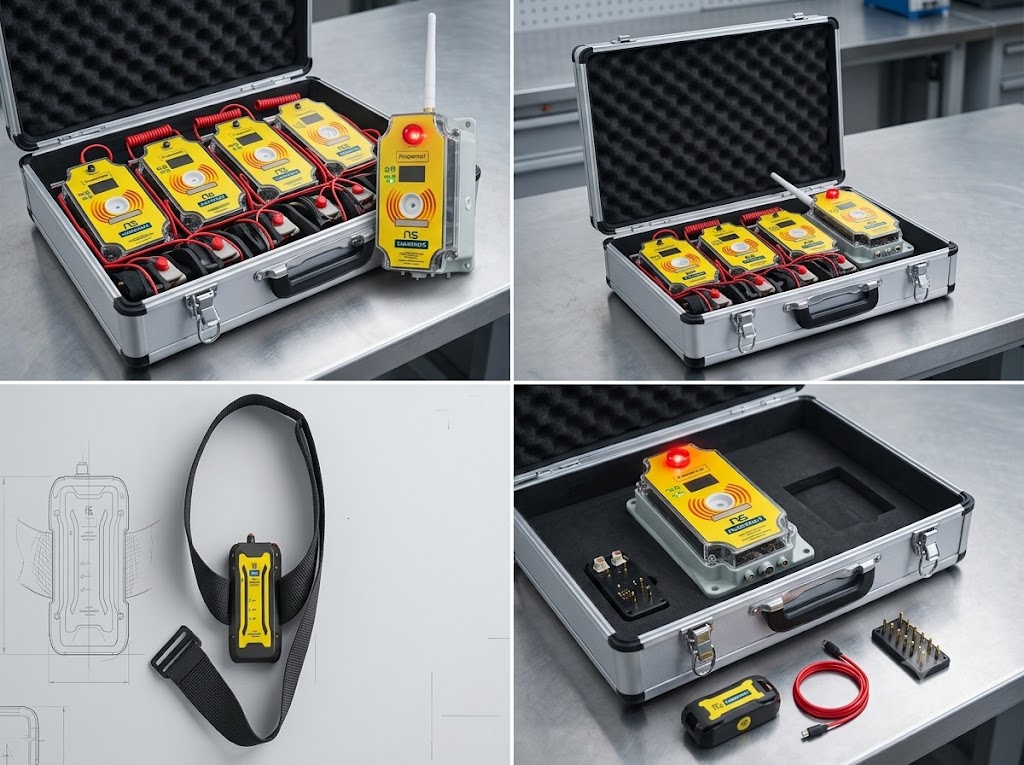
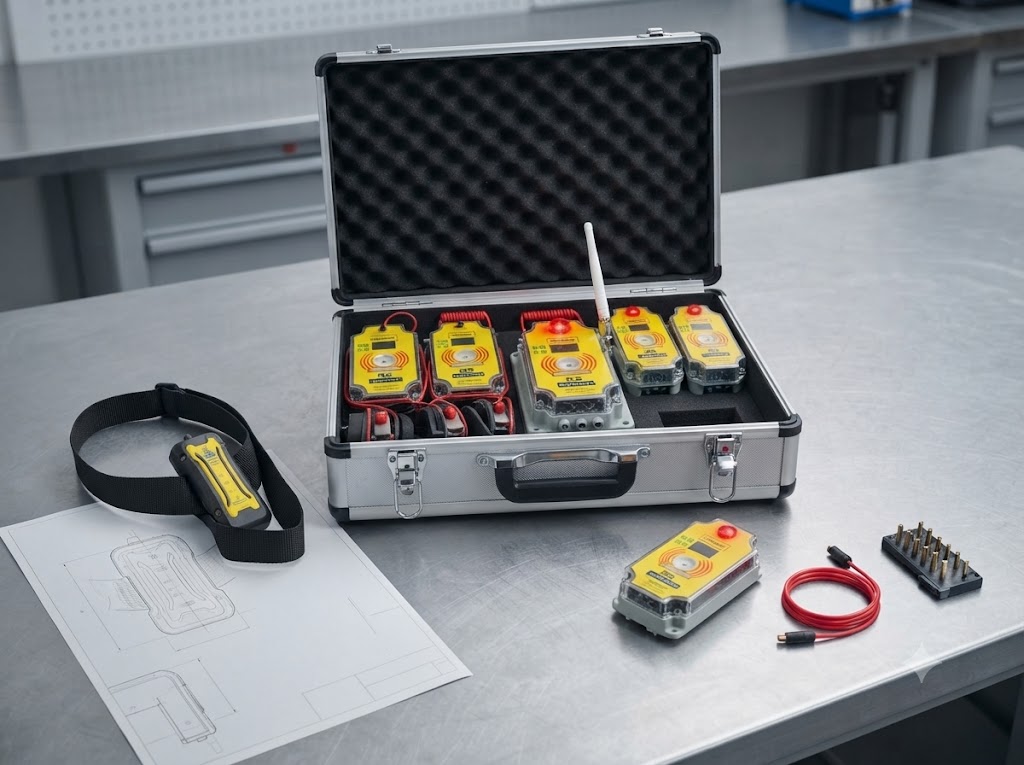
The Nex-G Automation UWB Worker Safety Wearable is a belt-mounted proximity tag designed to work with a compatible vehicle-mounted receiver. It forms part of a UWB-based forklift pedestrian detection and industrial vehicle proximity safety system, helping identify when a tagged worker enters the configured detection zone.

UWB-based forklift and worker proximity safety system
UWB-based worker and industrial vehicle proximity detection
UWB Proximity Technology
1–10 m Configurable Detection Range
±20 cm System Proximity Accuracy
<200 ms System Response Latency
5 Days Specified Wearable Battery Life
Forklift pedestrian proximity detection system deployment
Wearable Worker Identification

A Wearable Tag for Industrial Proximity Safety

In warehouses, factories and industrial facilities, forklifts and other moving vehicles often operate in areas shared with pedestrians. The UWB worker safety wearable provides a tag that can be carried by workers as part of a compatible proximity detection system.

The wearable communicates with a UWB receiver mounted on the vehicle. The receiver uses the UWB proximity information to identify the presence of a tagged worker within the configured detection range.

This arrangement supports forklift pedestrian detection, worker proximity monitoring and vehicle-based warning functions when integrated with the compatible receiver and vehicle safety architecture.

Important: The wearable is a component of the UWB proximity safety system. Detection processing and vehicle-side warning or relay functions are handled by the compatible receiver and associated system.

Working Principle

How the UWB Wearable Works

The wearable tag works together with a vehicle-mounted UWB receiver to support proximity-based worker detection.

01

Worker Wears the Tag

The worker carries the belt-mounted UWB safety wearable while working in the designated industrial area.

02

Vehicle Receiver Detects Proximity

A compatible UWB receiver mounted on the forklift or vehicle identifies the tagged worker within its configured detection range.

03

Vehicle Safety System Responds

The integrated vehicle-side system can provide configured warning or relay-based responses, depending on the selected system configuration.

Product Capabilities

UWB Worker Safety Wearable Features

Designed as a wearable component for industrial worker proximity detection and vehicle safety applications.

01 / TECHNOLOGY

Ultra-Wideband Technology

Uses UWB-based proximity technology for communication with a compatible vehicle-mounted receiver.

02 / WEARABLE DESIGN

Belt-Mounted Wearable

Designed to be worn by workers as part of an industrial worker proximity detection arrangement.

03 / RANGE

Configurable Detection Zone

The system supports a configurable detection range from 1 metre to 10 metres.

04 / ACCURACY

Proximity Measurement

The specified system proximity accuracy is approximately ±20 cm.

05 / BATTERY

Wearable Battery Life

The specified wearable battery life is up to approximately 5 days, depending on operating conditions.

06 / APPLICATION

Industrial Safety Integration

Designed for use with compatible forklift and industrial vehicle proximity detection systems.

Industrial Applications

Where Can the Worker Safety Tag Be Used?

Suitable for industrial environments where workers and moving vehicles share operational areas, subject to system compatibility and deployment requirements.

Warehouse Operations
Forklift Movement Areas
Manufacturing Facilities
Industrial Logistics
Material Handling Zones
Distribution Centres
Factory Shop Floors
Vehicle-Pedestrian Shared Areas
Technical Information

Technical Specifications

Key specifications of the UWB worker proximity safety system and its wearable component.

Technology Ultra-Wideband (UWB)
Communication Standard IEEE 802.15.4 compliant UWB system
Wearable Type Belt-mounted worker proximity tag
Detection Range Configurable from 1 metre to 10 metres
Proximity Accuracy Approximately ±20 cm (system specification)
System Latency Less than 200 milliseconds
Wearable Battery Life Approximately 5 days (specified operating condition)
Detection Method UWB communication with compatible vehicle-mounted receiver
Operating Temperature -10°C to +60°C (system specification)
Vehicle Integration Compatible forklift and industrial vehicle receiver system
Frequently Asked Questions

UWB Worker Safety Wearable FAQs

Common questions about the industrial worker safety tag and its role in forklift proximity detection.

A UWB worker safety wearable is a belt-mounted proximity tag carried by industrial workers. It communicates with a compatible UWB receiver to support worker detection around forklifts and other industrial vehicles.
The worker wears the UWB tag. A compatible receiver installed on the forklift detects the tagged worker within the configured proximity range. The connected vehicle-side system can then provide its configured warning or relay response.
The UWB proximity safety system supports a configurable detection range of approximately 1 metre to 10 metres. The actual configuration should be selected according to the vehicle, site layout and operating requirements.
The specified wearable battery life is approximately 5 days. Actual battery performance may vary with operating conditions and usage.
The wearable is designed to work as part of a compatible UWB proximity safety system. It requires a compatible vehicle-mounted receiver for proximity detection. Vehicle-side warning and relay functions depend on the connected system configuration.
They can be deployed in warehouses, manufacturing facilities, forklift operating areas, distribution centres and other industrial locations where workers and moving vehicles share operational space.
The system uses UWB technology for its proximity detection function. It does not depend on outdoor GPS positioning or local Wi-Fi infrastructure for this proximity detection.